MOTION DESIGN
YEAR
Client
STYLE
TOOLS

About the Project
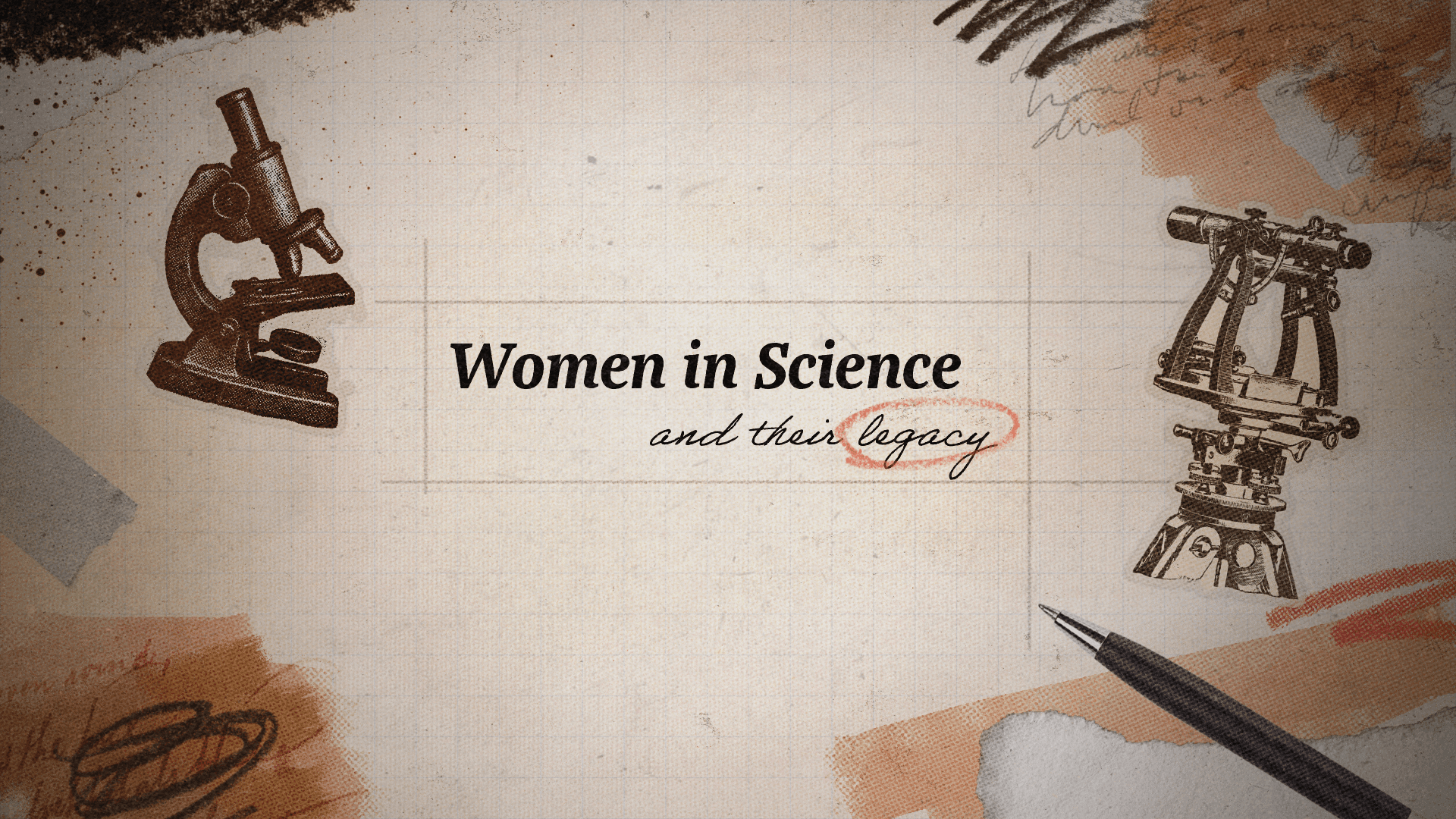
Women in Science is a personal study created to explore collage techniques and motion language with a documentary-style atmosphere.
The choice of theme stemmed from the desire to experiment with composition, texture, and storytelling by highlighting the stories of women who had a profound impact on science but are still underrepresented in popular narratives about the subject.
Briefing & Objective
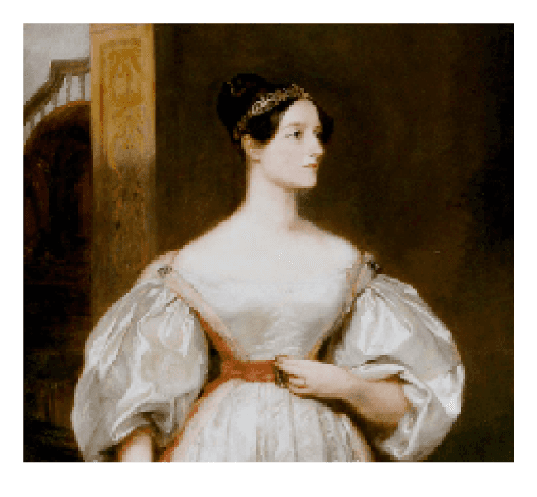
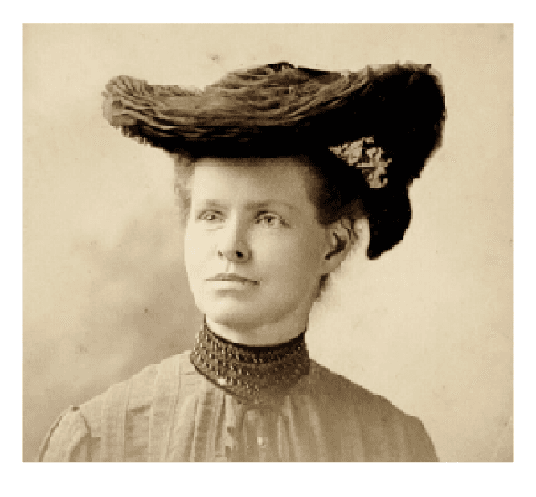
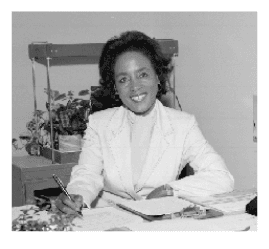
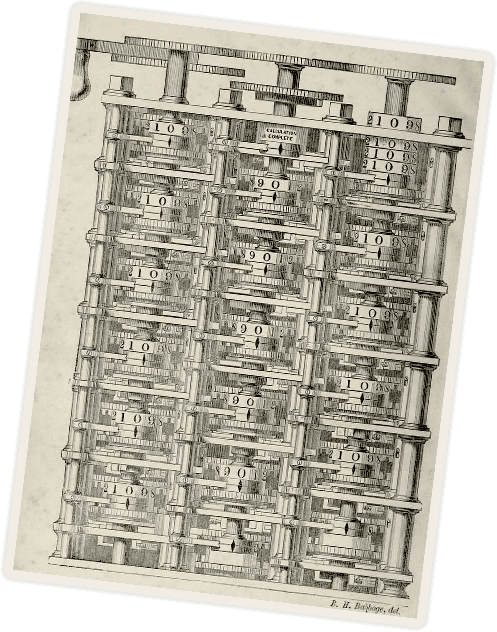
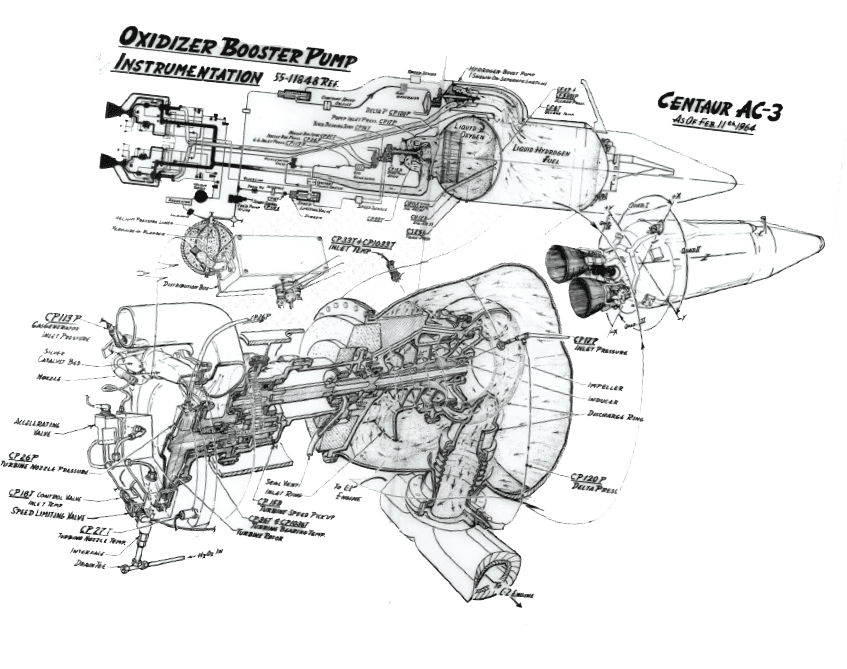
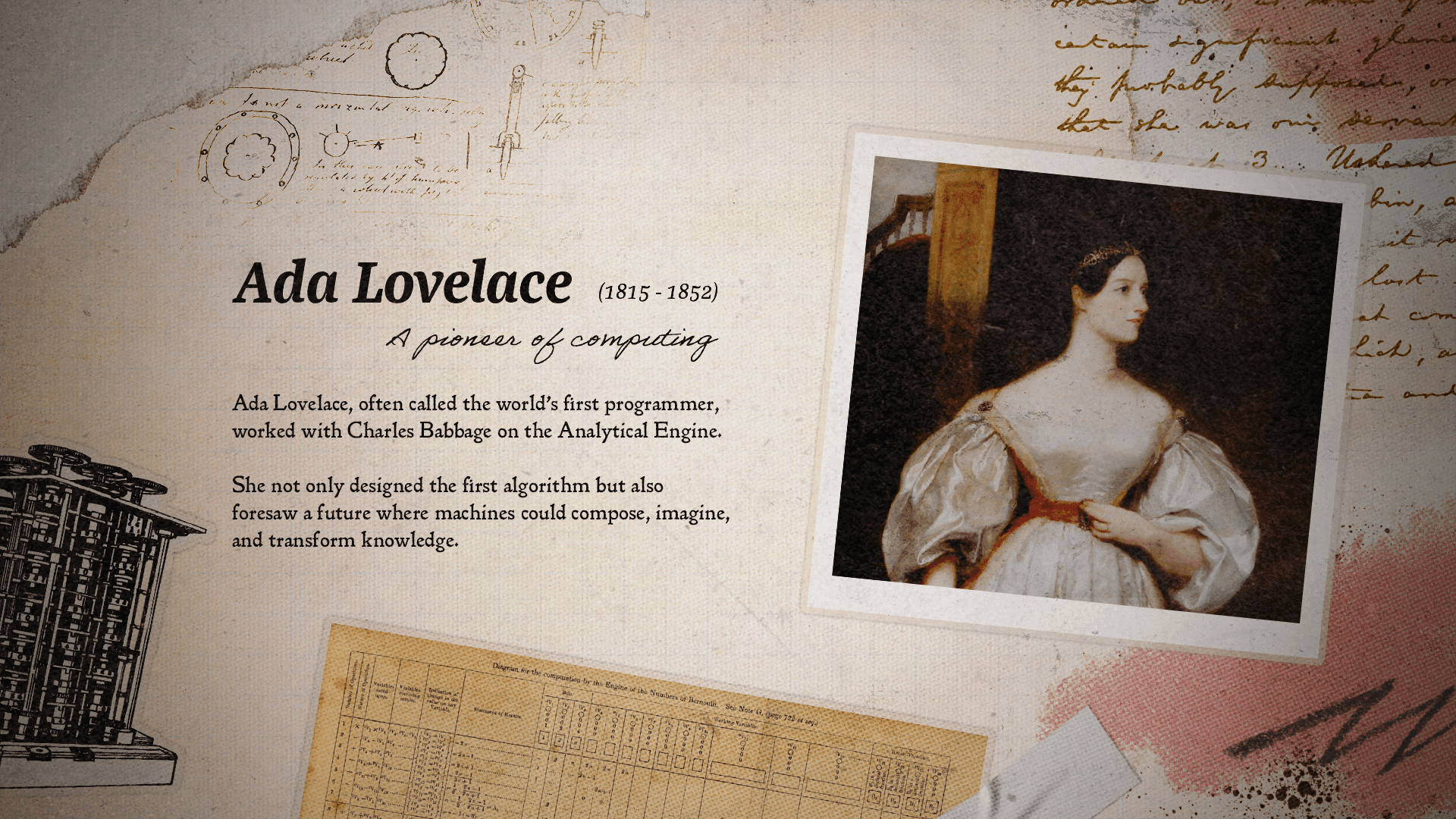
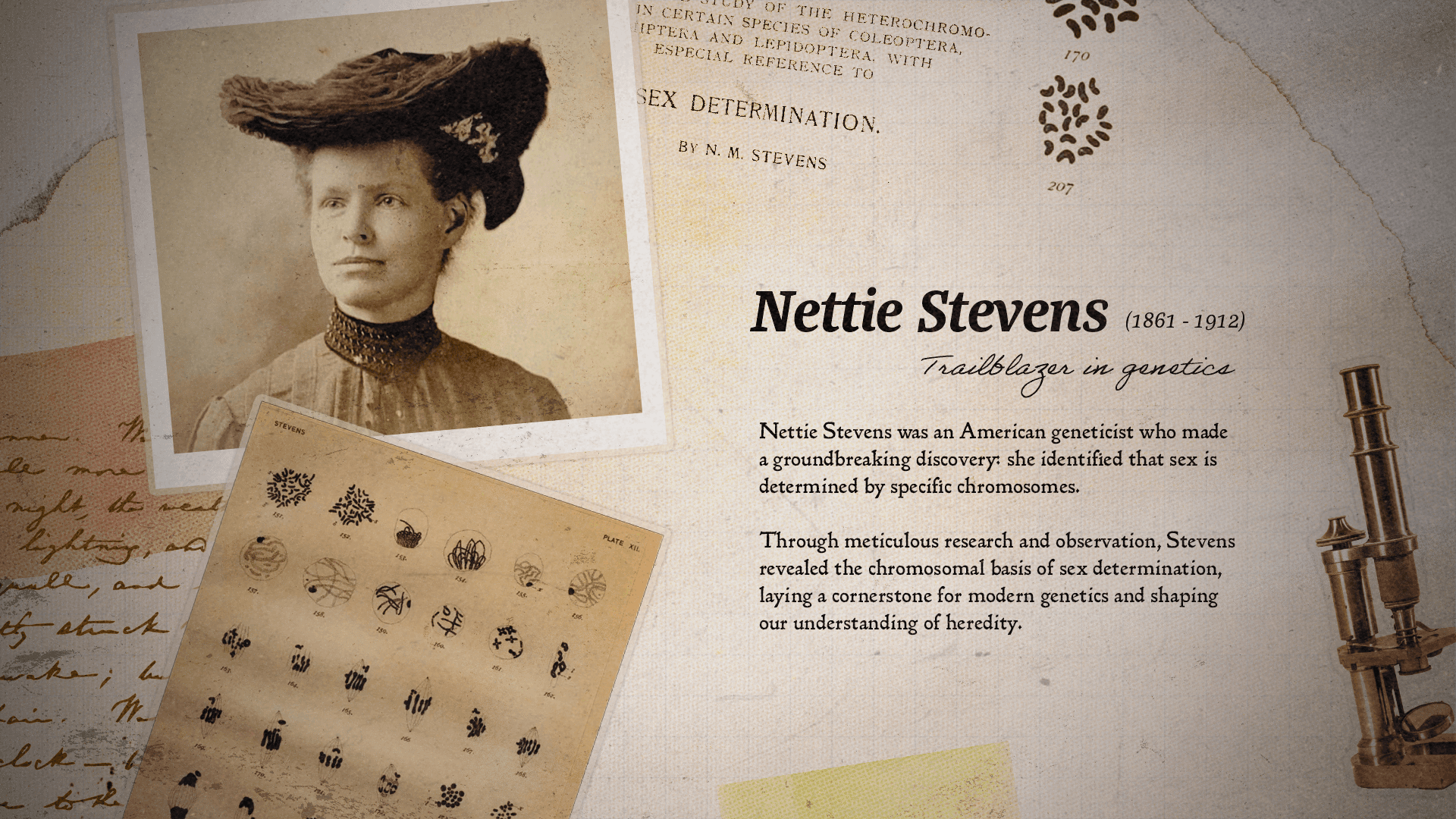
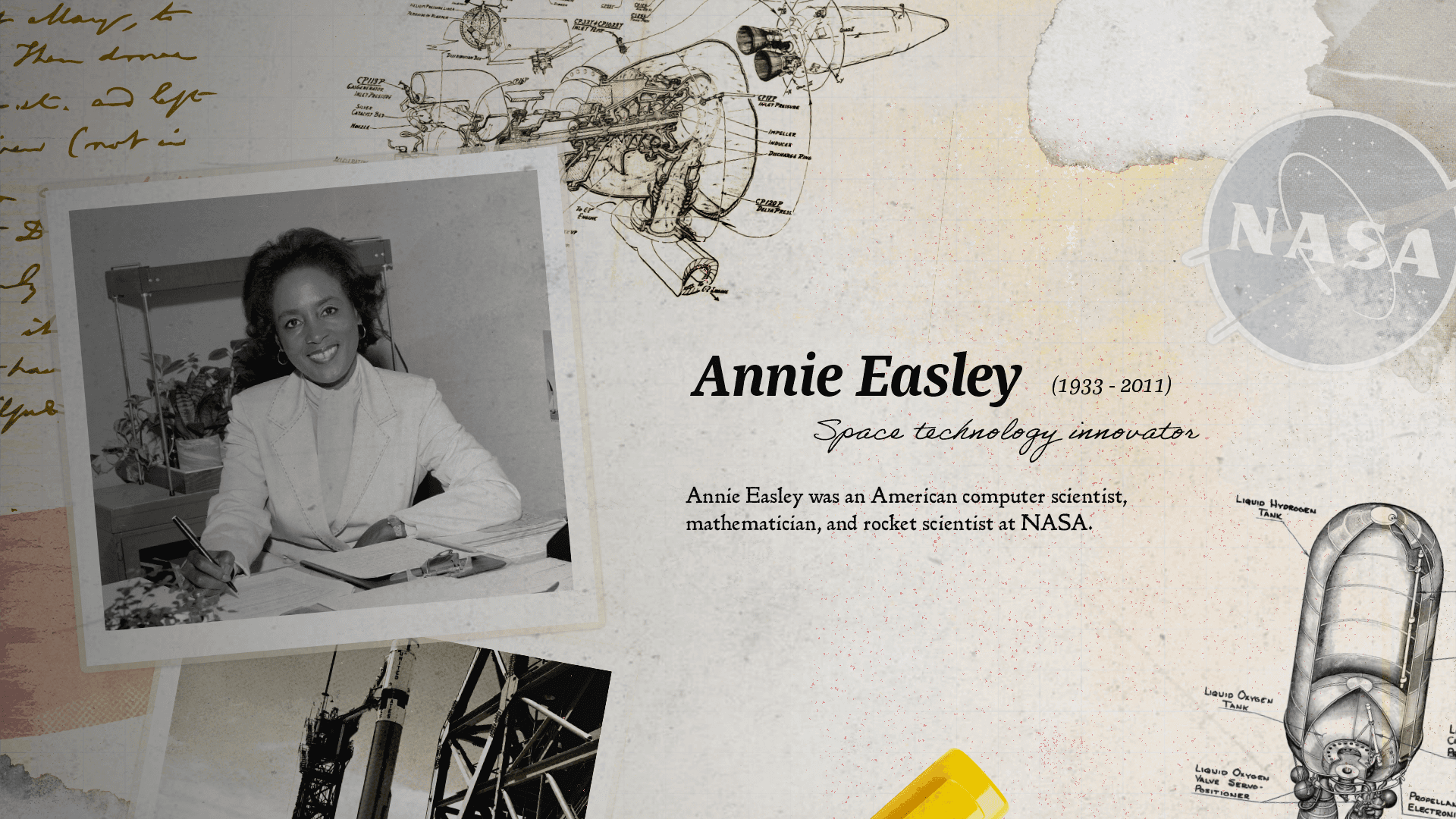
This project is an experimental motion design piece that explores collage and documentary aesthetics. The idea is to use archival images, textures, and graphic elements to briefly showcase the contributions of Ada Lovelace, Nettie Stevens, and Annie Easley.
It is not a commercial work, but rather a study aimed at experimenting with language and consolidating techniques.
Content Curation
The first step was to choose the historical figures that would be part of the project and research the work each one had done. From that, I built a clear script, focusing on what would be highlighted in the video while keeping essential information for a concise narrative.
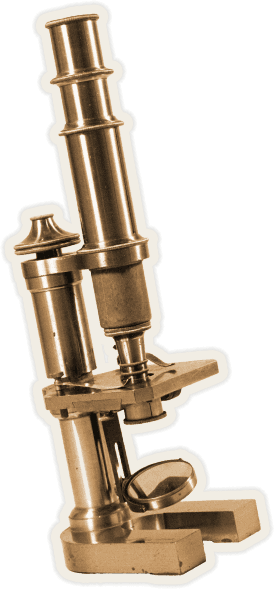
Next, I researched and accessed archives online, gathering visual materials like photographs, drawings, sketches, and graphic elements to help reinforce the documentary atmosphere I wanted to create. I also looked for elements related to their areas of study, projects, and the fields in which they excelled
Scene Composition
With the content defined, I moved on to the composition stage, creating collages in Photoshop, where I experimented with cutouts, overlays, and texture combinations until I found compositions that worked visually. At this point, the biggest challenge was maintaining a consistent identity across the three scientists without the scenes looking repetitive. To achieve this, I explored variations in layout, contrast, and graphic elements, testing different options until I found the desired balance.
I also made sure to create the screens with extra areas, already considering how they would behave in the video. This margin allowed me to plan more natural transitions, anticipate camera movements, and ensure each scene had enough space for motion adjustments in the next stage.
Animation
After finishing the collages, I imported all the compositions into After Effects and started organizing the layers carefully to streamline the workflow. I adjusted hierarchies, pre-compositions, and naming conventions to ensure each element was ready for animation.
From there, I began the motion process, first defining the overall pacing of the video, then working on how each element would enter the scene. I tested micro movements, subtle shifts, and timing variations to create a natural transition between the scientists and avoid the video feeling too static.
The finalization process aimed to tie the study together, ensuring the piece conveyed aesthetic unity, narrative clarity, and the experimental character that drove the project from the beginning.
Voiceover & Sound Design
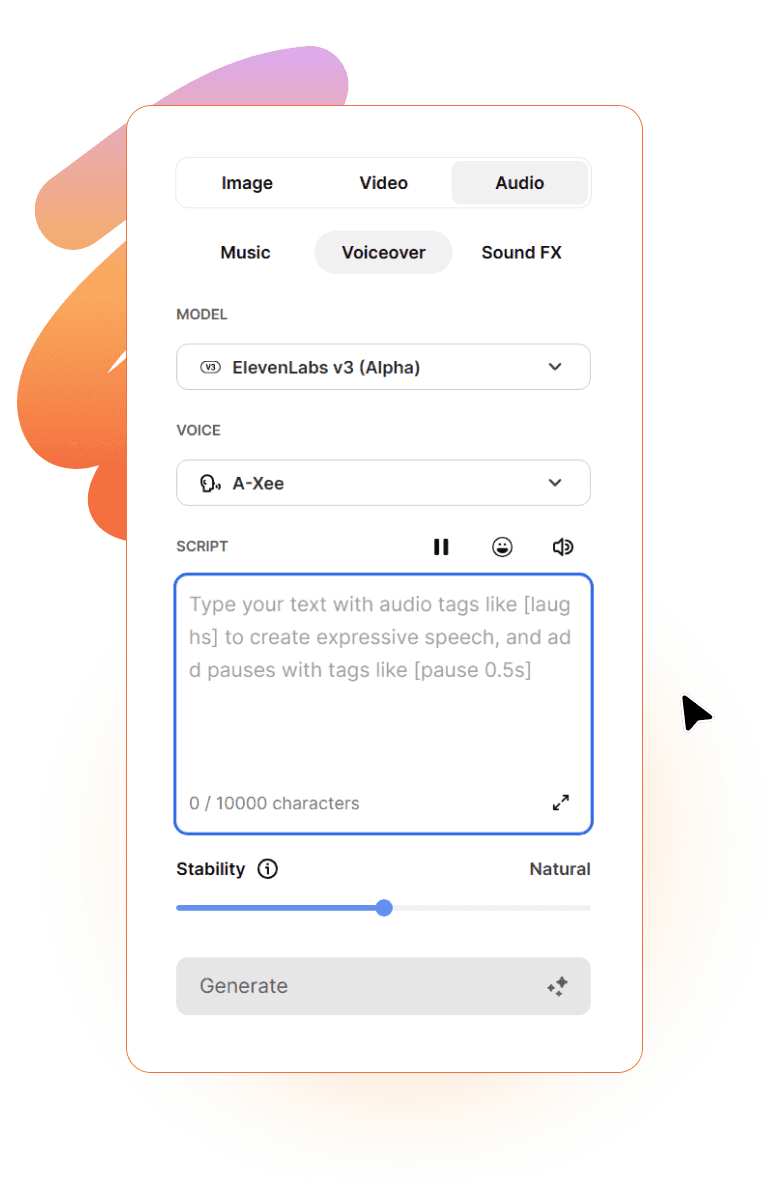
To complement the visual narrative, I also developed the audio layer. The voiceover was created with the support of artificial intelligence, allowing me to test different tones and narration rhythms until I found a voice that fit the documentary atmosphere I was aiming for.
The sound design was conceived as an extension of the visual setting. I worked with subtle sounds, acoustic textures, and small atmospheric layers to reinforce the sense of historical archive, without competing with the narration or the collages. These sound elements were strategically placed throughout the piece to add depth, highlight transitions, and create a more immersive experience.
Result
The outcome is a piece that combines collage, documentary storytelling, and motion design. The study visually translated each scientist’s contribution while maintaining the experimental character proposed from the start. The project served both as a technical enhancement and as an expansion of my creative repertoire, solidifying new visual solutions that I can apply to future work.